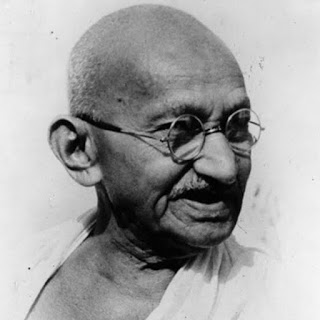
 MOHANDAS KARAMCHAND GANDHI
Occupation: Civil Rights Leader
Born: October 2, 1869 in Porbandar, India
Died: January 30, 1948 in New Delhi, India
Best known for: Organizing non-violent civil rights protests
Biography :-
mohandas karamchand gandhi is one of the most famous leaders and champions for justice in the world. His principles and firm belief in non-violence have been followed by many other important civil rightsleaders including Martin Luther King, Jr. and Nelson Mandela. His renown is such that he is mostly just referred to by the single name “Gandhi”.
Where did Mohandas Gandhi grow up?
Mohandas was born in Porbandar, India on October 2, 1869. He came from an upper class family and his father was a leader in the local community. As was tradition where he grew up, Mohandas’ parents arranged a marriage for him at the age of 13. Both the arranged marriage and the young age may seem strange to some of us, but it was the normal way of doing things where he grew up.
Mohandas’ parents wanted him to become a barrister, which is a type of lawyer. As a result, when he was 19 years old Mohandas traveled to England where he studied law at the University College London. Three years later he returned to India and started his own law practice. Unfortunately, Mohandas’ law practice wasn’t successful, so he took a job with an Indian Law firm and moved to South Africa to work out of the South African law office. It was in South Africa where Gandhi would experience racial prejudice against Indians and would begin his work in civil rights.
What did Gandhi do?
Once back in India, Gandhi led the fight for Indian independence from the British Empire. He organized several non-violent civil disobedience campaigns. During these campaigns, large groups of the Indian population would do things like refusing to work, sitting in the streets, boycotting the courts, and more. Each of these protests may seem small by themselves, but when most of the population does them at once, they can have an enormous impact.
Gandhi was put in prison several times for organizing these protests. He would often fast (not eat) while he was in prison. The British government would eventually have to release him because the Indian people had grown to love Gandhi. The British were scared what would happen if they let him die.
One of Gandhi’s most successful protests was called the Salt March. When Britain put a tax on salt, Gandhi decided to walk 241 miles to the sea in Dandi to make his own salt. Thousands of Indians joined him in his march.
Gandhi also fought for civil rights and liberties among Indian people.
Did he have other names?
Mohandas Gandhi is often called Mahatma Gandhi. Mahatma is a term that means Great Soul. It’s a religious title sort of like “Saint” in Christianity. In India he is called the Father of the Nation and also Bapu, which means father.
How did Mohandas die?
Gandhi was assassinated on January 30, 1948. He was shot by a terrorist while attending a prayer meeting.
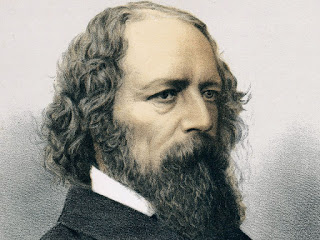 Alfred Lord Tennyson
  Ego
Ego 